
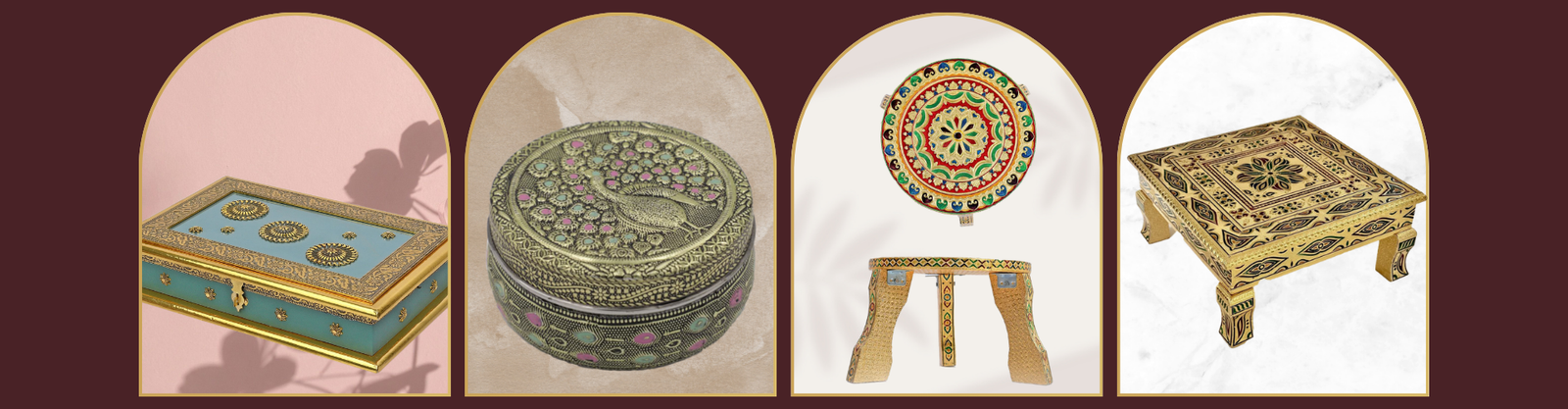
An Antique Box is a beautifully crafted decorative storage box designed with traditional artistic detailing and vintage charm. Perfect for storing jewelry, dry fruits, gifts, or valuable keepsakes, it adds elegance and a royal touch to home décor and special occasions.
Archives: Products
Steel Dabba
A Handicraft Steel Dabba is a beautifully designed storage container that combines traditional craftsmanship with durable stainless steel. Ideal for storing dry fruits, sweets, spices, or gift items, it adds an elegant and decorative touch to kitchens, festive occasions, and gifting purposes.
Steel Thali
A Handicraft Thali is a beautifully handcrafted decorative tray designed with traditional art and intricate patterns. Perfect for home décor, पूजा rituals, serving, and gifting, it adds elegance and cultural charm to every occasion.
Singhasan
A Sihasan, also known as a “Sahasranamam” or “throne,” is a traditional and elevated seat of authority or honor used in various cultural and religious contexts in India. It is often ornate and elaborately decorated, symbolizing power, respect, and reverence. Sihasans are typically high-backed chairs or thrones with intricate designs, carvings, and sometimes adorned with precious materials like gold, silver, or gemstones. They come in various shapes and sizes, and the designs can vary depending on the cultural or religious traditions in which they are used.
Zaveri Box
A Zaveri Box is a stylish jewelry storage container designed to keep accessories like rings, necklaces, and earrings organized and safe. Made from materials like wood, metal, or fabric, it features compartments and soft lining to prevent damage. Both functional and elegant, it’s perfect for personal use or as a thoughtful gift.
Pooja Box
A Pooja Box is a compact kit used for Hindu पूजा rituals at home, containing essentials like a diya, incense sticks, idol or deity image, and offerings. It helps individuals perform daily prayers conveniently, serving as a portable and organized way to connect with the divine.
Fas Tray
A Fas tray is a flat, shallow, and usually rectangular surface used for carrying, holding, and serving various items. It’s a common household item that comes in various materials like wood, metal, plastic, and more. Traditional trays are versatile and have been used for centuries in different cultures for a variety of purposes.
These trays can be found in homes, Temples, and they come in various sizes to accommodate different needs. They often have raised edges to prevent items from sliding off, making them useful for carrying dishes, glasses, cups, and even snacks. Some trays might also have handles for easy carrying.
In addition to serving and carrying, traditional trays can be decorative and serve as a way to organize items or display objects. They can be placed on tables, countertops, or even hung on walls for aesthetic purposes.
Patla
A Golden Patla, also known as a “Golden Stool,” is a symbolic and ceremonial seat that holds cultural significance in various traditions and cultures. It is often made of wood or other materials and is covered in gold or gold-like adornments, giving it a majestic and ornate appearance.
The Golden Patla is not an everyday piece of furniture; instead, it’s used on special occasions and events of great importance. It holds a central role in ceremonies such as weddings, coronations, religious rituals, and other significant cultural events. The stool represents authority, royalty, and honor, and sitting on it signifies a person’s elevated status or role within the community.
In many cultures, the Golden Patla is believe to possess spiritual and divine connections, making it a sacred object. It is treated with utmost respect and is often accompanied by rituals and traditions that emphasize its significance.
Due to its luxurious appearance and meaningful role, the Golden Patla become a symbol of traditions, heritage, and social importance. It reflects the rich history and cultural values of the communities where it is use to creating a connection between the past and the present. A Golden Patla is a ceremonial seat adorned with gold or gold-like decorations. It plays a crucial role in important events, symbolizing authority and cultural values. The stool’s elaborate design and significance make it a powerful representation of tradition and heritage in various cultures.
Bajot
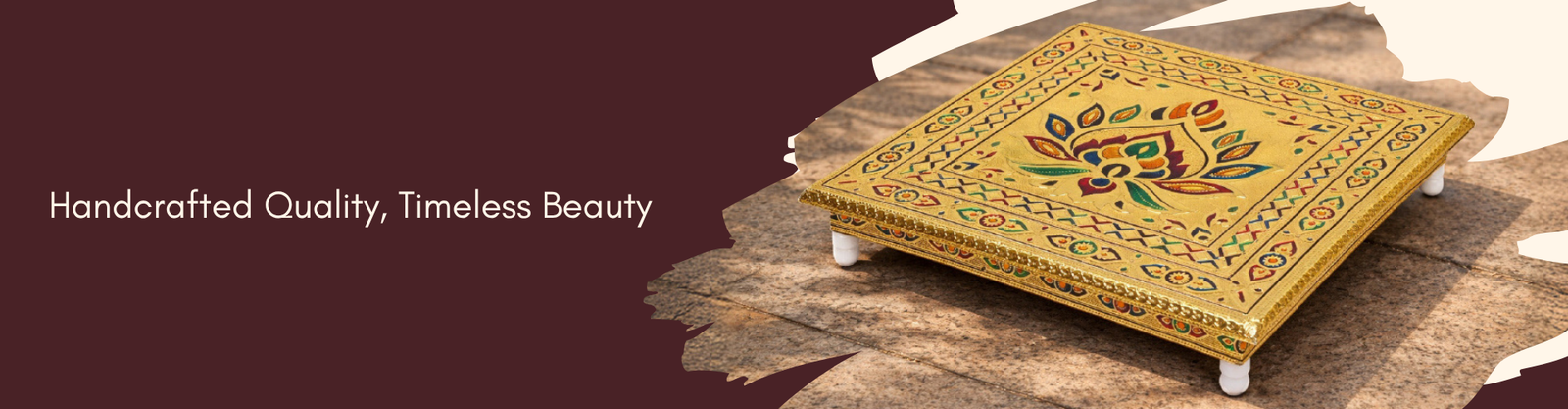
A Golden Bajot, also known as a “Golden Low Table”is a decorative and functional piece of furniture with cultural significance. It is typically a low-sitting table adorned with golden or gold-like accents, adding an ornate touch to its appearance.
Golden Bajots are commonly used in various traditional and cultural contexts, especially in Indian households. They are often made from wood and are intricately carved or designed with intricate patterns. The golden elements, which can be a gold paint or metallic accents, contribute to their luxurious and regal look.
These low tables serve multiple purposes. They are use as platforms for performing religious rituals and ceremonies, such as placing idols or offering items during worship. Golden Bajots also play a role in social gatherings, serving as seating or surface space for guests. Additionally, they can be utilized as decorative pieces to enhance the aesthetics of a room.
The use of gold-like embellishments on the Bajot symbolizes prosperity, purity, and reverence in many cultures. It reflects cultural traditions and adds an air of elegance to special occasions. The craftsmanship and intricate detailing make the Golden Bajot a valuable piece, cherished both for its functionality and its cultural significance.
Dulhan Bangle Box
A Dulhan Bangle Box is a special box designed for brides in many South Asian cultures, including India and Pakistan. It is an essential accessory for brides as it is used to store and display their bangles, which are an important part of bridal jewelry. Here’s a simple explanation:
Bangle Storage: The main purpose of a Dulhan Bangle Box is to store the bride’s bangles. These bangles are typically worn on both wrists and come in various designs, colors, and materials, often matching the bride’s outfit.
Organization: These boxes usually have compartments or slots that help organize the bangles neatly. This makes it easy for the bride to select the ones she wants to wear on her wedding day and other special occasions.
Decoration: Dulhan Bangle Boxes are often beautifully decorated, reflecting the cultural and festive spirit of weddings. They may feature intricate designs, embroidery, mirrors, and embellishments.
Keepsake: After the wedding, the Dulhan Bangle Box can become a cherished keepsake for the bride, serving as a reminder of her special day. Some brides may use it to store other pieces of jewelry or sentimental items.
Gift: These boxes are sometimes given as gifts to brides by family members or friends, showing love and care for the bride as she embarks on her new journey.
In summary, a Dulhan Bangle Box is a decorative and functional container that helps brides store and organize their bangles, which are an essential part of their bridal attire and a symbol of cultural significance during weddings.